News Library

Sharing our expertise

ID) ?>')">

Burton Sweet, accountants who work with a number of churches and charities, and Woodlands Church Bristol run an annual event for church and charity trustees. This year they asked Giles Arnold, Church Growth Trust’s Chief Executive, to speak on “getting the best from your buildings”. Church Growth Trust (CGT) has considerable knowledge of church buildings; so, this is where Giles focussed his talk.

He spoke about church buildings fitting the God-given vision of the church, secondary uses not detracting from their primary uses, making them suitable for what they are intended to be (being welcoming, modern, cared for and attractive), being compliant with legislation (but not just doing the minimum) and being in good condition (making first impressions count). He managed to pack in several practical tips in the talk; with one delegate stating “It was engaging, fast-paced and covering considerable ground”. Other delegates commented, “It has prompted me to ask more questions about our buildings” and “Giles Arnold’s session on buildings was one of the most relevant to my concerns and I took copious notes!”.

Simon David, one of CGT’s trustees, also attended the event. He and Giles Arnold enjoyed a time after the formal presentations of engaging with individuals who wanted to discuss their particular situations. If you are interested in speaking to CGT about any property issues that you have or would like to see a copy of the notes from the talk, please email Giles Arnold – giles.arnold@churchgrowth.org.uk

What makes a church strong? Two essentials you cannot ignore

Giles Arnold, Chief Executive of Church Growth Trust, reflects on what truly defines a healthy, growing church. In this thought-provoking article, he shares his response to a question posed by a church leader: What are the two essential elements of a New Testament church?

I was asked recently by one of the leaders of the church that my wife and I are part of what I thought were the two essential elements of a New Testament church. This was in the context of a local church being healthy and growing.

I could have answered by including worship, stressing how important it is for worship to be engaging and vibrant. I could have talked about the prayer life of a church or the importance of handling the Word of God well. And of course, all of these are vitally important ingredients of an evangelical church.

Whether you agree with me or not or whether I am right or not, I found myself saying that the two most important aspects of church are discipleship and being radically different. We are called to make disciples, rather than converts, and I believe that it is vital that we are all discipling others and being discipled ourselves. Discipleship includes all of the above, as we learn to worship God wholeheartedly (because worship is about Him rather than about our preferences), as we grow in our knowledge and love of Him through His word and as we spend time with Him and rely on Him through prayer. But there is far more to being a disciple of Jesus, as we learn to use our gifts within the body, as we enjoy fellowship with our brothers and sisters, as we grow in our faith in an Almighty God and as we delight in the thrill of sharing of our faith with others. We learn that we do not have to do all these things, but that we get to do them. Why would we not want to grow in our relationship with a God who has poured out His life for us?

The reason I think that being radically different is so important, is that this is the fruit and result of our relationship with God and proof of a life that has been transformed by His grace. If we are the same or only slightly different from our neighbours, work colleagues or family who do not yet believe, how are they going to see that Jesus is worth following, be challenged to consider that Jesus is the way the truth and the life, or even ask us to explain the reason “for the hope that we have”.

Being radically different will look different for each of us, but could include demonstrating love even after we have been hurt, being available even when it is inconvenient, opening up and sharing your home with others, being prepared to look weird by sharing a word that you sense the Holy Spirit has given you for someone else (even a stranger).

Jesus said they would know that you are my disciples by the love that you have for each other. Is our love for our brothers and sisters so radically different from the world’s idea of love that people notice the difference? Do we mix with people that the world would not want to associate with? Do we forgive when we are hurt? Do we share our time, our food, our lawnmower, our car, our finances and our lives with each other? How radical are you prepared to be for the Gospel to be real?

New Fire Risk Assessment training well received

ID) ?>')">

Church Growth Trust (CGT) recently held its first-ever Fire Risk Assessment training event, and it was a resounding success! Designed exclusively for leaders of churches occupying CGT buildings, the free online session took place on 5 March 2025 and quickly reached full capacity.  

This training provided invaluable guidance on how to conduct effective fire risk assessments, helping churches ensure their premises are safe and compliant. Feedback from attendees was overwhelmingly positive, with many appreciating the practical insights and clarity offered during the session. 

CGT’s Chief Executive, Giles Arnold commented: “We are delighted by the enthusiastic response to our first Fire Risk Assessment training. It’s encouraging to see church leaders so engaged in making their buildings safer for their congregations and communities.”  

Due to the high demand and positive response, CGT is considering running another session later this year. Keep an eye on our website and communications for updates on future training opportunities. 

Easter 2025: Inspiring resources to help you share the Good News

As Easter approaches, the spirit of renewal and celebration fills the air! At Church Growth Trust, we have gathered some of the best Easter materials to inspire and equip your church this season. We hope this selection of resources helps you plan your Easter activities—whether for services, outreach, or personal reflection.

Wishing you a blessed and joy-filled Easter celebration!


Free download from Scripture Union – Easter Alive

Scripture Union’s Easter Alive is a free downloadable pack filled with engaging activities, reflections, and resources to help share the Easter message. Ideal for churches, small groups, or personal study.
Download here – Easter Alive | Scripture Union


CCLI – Songs, visuals & more

CCLI provides a wealth of Easter-themed worship resources, including song lyrics, music sheets, and visuals to enhance your Easter services. Churches with a CCLI license can log in to access free materials for their Easter gatherings.
Explore here – CCLI® – Licensing and solutions for your church [UK]


Book suggestions for Easter – 10ofThose

Looking for great Easter reading? 10ofThose offers a fantastic selection of books for all ages, from children’s storybooks to in-depth theological reflections on the cross and resurrection.
Browse booksEaster | 10ofThose


Safer Places of Worship – Helpful Easter Resources

For churches wanting to ensure their spaces are safe, welcoming, and accessible, Safer Places of Worship provides useful guidance and resources. Their materials can help you prepare for Easter services and outreach events with confidence. Find out moreChurch activities & outreach – Safer Places of Worship


The Lent Encounter – Bible Society

Prepare for Easter with The Lent Encounter, a daily devotional journey from the Bible Society. These free reflections, videos, and prayers will help you focus on the meaning of Easter during Lent.
Sign up hereThe Lent Encounter


Spring Harvest Home is back for 2025!

Can’t make it to Spring Harvest in person? Spring Harvest Home is returning, giving you access to their Easter-themed worship, teaching, and seminars online—perfect for churches, small groups, or personal inspiration.
Watch from homeSpring Harvest Home is BACK for 2025!


Give Easter eggs with meaning

Out of the 80 million Easter eggs sold in the UK every year, The Real Easter Egg from The Meaningful Chocolate Company is the only one that includes an Easter storybook, is made with Fairtrade chocolate, and supports charitable projects. A delicious and meaningful way to share the Easter message!
Order hereThe Meaningful Chocolate Company

Word on the street in South Elmsall 

ID) ?>')">

What do you do when you feel God calling you to move but you have no idea to where? In 2021, Matthew Henry felt convicted to pioneer a new church and so put his faith in God to direct him.

‘Try Bradford,’ suggested his pastor at the Potter’s Church in Harrow. So, Matthew, his wife Liz, and their three children duly went there, but they felt no conviction. However, while driving into Wakefield, they felt God’s peace and found a vacant building in South Elmsall on the outskirts of the town, which they rented from Church Growth Trust.

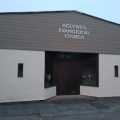
The church building, South Elmsall, Pontefract

The new church opened on 9th January 2022. From a tiny handful of people, the congregation has grown to around sixty people on Sunday mornings and around forty on Sunday evenings and at Wednesday Bible Study. South Elmsall was a mining village and many of the local families have lived there for generations. A lack of ambition, apathy and disaffection are common. Matthew addressed it head on.

‘I run men’s discipleship classes, explaining that all the men Jesus called were at work at the time. We have seen quite a few people come off benefits and begin to support themselves. One of our original members started her own business and she testified about her new ambition and success. What you celebrate, you cement.’

Street evangelism

But it is taking the Gospel out on to the streets which has caused the congregation to grow so quickly and organically. On Saturdays, a group of church members pray then walk out with flyers and start conversations. Around 75% of the membership came to faith because of this evangelistic outreach.

‘Sometimes we go into the centre of Wakefield. We sing a worship song, then someone gives a testimony, then we sing again. People are fascinated and want to know more. We met a guy on the street last year who was a Freemason suffering with alcohol and drug abuse. He found Jesus, was healed and his life transformed.’

In the last three years, the street evangelism has brought in so many new followers of Jesus that the church is moving. They have very fond memories of their time at the former chapel. ‘It has been magnificent. If we could, we would extend it and stay here. It has served us very well.’

Youth ministry

In just three years, the Potter’s House has amassed some truly inspirational stories. A woman who recently found Jesus told Matthew her experience.

‘You handed me a flyer for the concert just before the church opened. I stuck it in my kitchen drawer and forgot about it. Then we had the kitchen replaced and everything got thrown away. At the beginning of the year, I began to feel that I needed to repent and go to church. I tried three different churches but they were all closed. I remembered the flyer and prayed that I would find it, although I knew it had been discarded. I looked in the drawer and there it was, scrunched up with only the address left. I decided to attend the Wednesday Bible Study. I put the address in my satnav but ended up at a house. I knocked and the guy who answered put on his coat and shoes and took me to the church. We both found Jesus that night! Our lives have been transformed.’ As they move into a bigger building, Matthew has some good advice for churches who want to work on their evangelising.

‘Take the gospel outside your four walls. You will be surprised how many people are open to faith but do not know where to go.’

Fire Risk Assessments: Important changes to legislation 

ID) ?>')">
Church leaders bear a tremendous responsibility for the safety of their congregation and community. One of the most critical areas of compliance is ensuring that the church building is safe from fire.  

Watch our latest video from our Property Manager, Jonathan Bennett, as he explains the latest changes to UK legislation and how they may affect your church.  

Need more information? 

You can access more detailed advice in our online ‘Practical Guide’ where you will find out about: 

· Why you need a Fire Risk Assessment (FRA) 
· What an FRA report is and who should compile one 
· How to find a supplier to help 

Once in a Lifetime by Giles Arnold

An update from our Chief Executive

For most churches, a major building project truly is a once-in-a-lifetime event. It is rare for something like this to happen more than once in a generation. Whether it is a new building or a significant extension, these projects are often the largest financial commitment, the most complex undertaking, and the highest-risk venture a church will ever face. 

Because it is such a rare experience, most churches do not have members with first-hand knowledge of how to manage such a project. This means they are stepping into unknown territory, having to navigate challenges, learn new skills, and make critical decisions – all while trying to make the most of this God-given opportunity. 

This is why I believe it is absolutely vital to work with an architect who not only understands church buildings but also knows how churches operate and, most importantly, shares your vision. Churches use their buildings in a completely different way compared to businesses, residential spaces, or even community centres. A church building must be a place for worship and devotional activities, but it also needs to support outreach and connect with the wider community. To meet all these needs, flexibility is key. 

There are also plenty of hurdles to overcome when it comes to completing a building project. You will need to secure planning permission and comply with Building Regulations, which cover things like disability access and fire safety. On top of that, health and safety requirements must be met. 

This is where having an experienced architect and other professionals who understand church property is so invaluable. They can guide you through every step of the journey, from identifying your needs and designing the building to securing permissions, obtaining contractor quotes, and managing the actual construction. Having someone who can help you think through each stage, make prayerful decisions, and tackle challenges – particularly around budget and project size – can make all the difference. And, most importantly, they can walk alongside you in faith as you bring the project to fruition. 

This is one of the reasons I am so passionate about my role at Church Growth Trust. I love seeing how we can inspire and practically support not only the churches that occupy our buildings but also other church clients with their building projects. Because we deal with church buildings every day, we have learned what works and what does not. And because we share a deep passion for worshipping God and seeing people come to know Him, we understand what churches need to fulfil their God-given missions. 

It is such a privilege to work alongside churches and watch their God-inspired dreams become reality. I feel truly blessed that, through His grace, we at Church Growth Trust are equipped to play our part in building up the Body of Christ. Your once in a lifetime project does not have to be quite so scary when you have others with experience walking with you. 

Need some advice? 

If your church is starting a building project, you do not have to face it alone. Church Growth Trust is here to guide you. We can help with planning, design, meeting regulations, to help bring your God-given vision to life. 

Visit www.churchgrowth.org.uk or contact:

Jonny Heaney, CGT Architect:

Email: jonny.heaney@churchgrowth.org.uk 

Churches with lifts – are you meeting legal requirements?

If your church has any type of lift—whether for goods, people, or even a simple dumb waiter—you may not realise the full extent of your legal responsibilities. Ensuring your lift is safe to use involves two separate processes: servicing and maintenance and a thorough examination by a competent person. Here’s what you need to know:

What counts as a lift?

Lifts come in various forms, including:

  • Goods lifts (e.g., dumb waiters)
  • Platform lifts for wheelchair access
  • Passenger lifts between floors
  • Hoists, vehicle tail lifts, and chairlifts

If your church uses any of these, you are legally required to:

  1. Service and maintain them regularly (every 12 months for goods lifts and every 6 months for passenger lifts).
  2. Arrange a separate, thorough examination at the same intervals.

What is the difference between ‘maintenance’ and a ‘thorough examination’?

  • Maintenance ensures the lift continues to operate safely day-to-day.
  • Thorough examination (as required by the Lifting Operations and Lifting Equipment Regulations 1998) involves a competent person assessing the lift’s safety and determining any additional checks or repairs needed.

These checks must be carried out by different individuals or companies, to avoid any conflicts of interest.

Why does this matter?

Churches are encouraged to put in place both regular maintenance contracts and to engage a competent person to carry out the thorough inspection as soon as possible as failing to comply can:

  • Put users of your building at risk
  • Invalidate your insurance policy
  • Lead to legal consequences for your church.

What should you do next?

  • Set up a maintenance contract to ensure regular servicing
  • Engage a competent person for thorough examinations
  • Review the Health and Safety Executive’s guidance on lift safety here.

Taking these steps not only ensures compliance but also protects everyone using your facilities.

Further reading:

Thorough examination and testing of lifts: Simple guidance for lift owners INDG339

Lift Inspections for Churches  – Edwards Insurance Brokers

For more information and further advice please contact:

Jonny Heaney, Architect

T: 01536 647162, E: jonny.heaney@churchgrowth.org.uk

A building transformed in East Cowes

Church Growth Trust (CGT) were gifted Clarence Road Evangelical Church, East Cowes on the Isle of Wight five years ago and have worked closely with the church to make improvements to the building. When Giles Arnold, CGT’s Chief Executive, met with the church in 2018 he was impressed with their level of faith in God and His provision. Even though they were not large in numbers or a wealthy congregation, they believed that God would provide for them with the work that was required to the property.

The new accessible entrance

Peter and Sue Young from the church also speak of that first meeting, “We were inspired by Giles’ enthusiasm and him seeing that mustard seed of faith in us. The combination of his spiritual insight and practical approach to the project made it seem possible that it could actually happen. And here we are a few years later with it completed and the building transformed. We are so grateful to God for Church Growth Trust, as we do not think the project would have happened without them.”

The current project began with a need for wheelchair access and an improved entrance. When Giles first visited, he faced a challenging problem with no simple solution. Together with John Quinlan, a consultant architect working with CGT, they determined that the best approach was to create access partway up the hill, allowing entry to the meeting hall at the correct level. While providing full wheelchair access throughout the building was too expensive, they developed a more affordable plan focusing on the hall and entrance area.

Funds for the project have come from sacrificial giving within the fellowship, help with architectural fees from Church Growth Trust and two sizeable grants from a closed Gospel Hall and another Christian charity. The unexpected timing and generosity of these has been such a blessing to the church.

Five years of planning

After five years of planning, the project is now complete. The building now has a welcoming, level entrance, fully accessible restrooms, and a new kitchen for the main meeting and worship area. Improvements also include better lighting, insulation, and new carpeting in the worship space. Essential repairs have also been made to the back, three-story section of the building.

The building has been completely transformed. The steep steps from the street were replaced with a gently sloped side entrance, and all main facilities—lobby, kitchen, restrooms, and worship area—are now on a single level. The space is now fully accessible, more welcoming, attractive, and comfortable, making it ideal for modern church needs. This renovation has breathed new life into the building, giving the church better facilities to reach the town with the Gospel.

Enjoying the new kitchen facilities

Sue Young shared, “I love that we have a worship area without holes in the floor! And now we have hot water in the kitchen and bathrooms. These small things make all the difference.”

The church is already seeing some positive outcomes of the alterations to the building. The second weekend after the works were finished a lady came to the building in her wheelchair. She would not have been able to attend the worship meeting in the past, due to the steep steps, but was now able to come into the new entrance with ease. The following week she brought her daughter and now her granddaughter and great grandchildren are also attending the church meetings regularly! This is a direct result of making the building accessible.

New worship area

Having seen the building transformed, and God’s provision for this, has built the level of faith with the church. This is helping them be more confident about sharing their faith with others and believing that God will grow His Church in East Cowes. Not only has the building been revitalised, but the church is expectant of God doing the same with them. Giles Arnold again, “We are so delighted that the church building has been transformed and that the facilities are now much better for the church to use for their meetings and outreach. It has been such a privilege to work with the church over the last few years, to see their faith rewarded and their faith grown. I know they are expecting God to not only provide for them with the building project, but also with growing His Church. I can’t wait to hear the next part of this story.”

Christian alternatives to Halloween: Eight top tips!

It may seem that no matter what, we cannot escape the festivities around 31 October. For many Christian families, Halloween poses a tricky dilemma.

However, rather than focusing on what can’t be done, there are plenty of creative Christian alternatives that turn Halloween into a positive experience.

Church Growth Trust has gathered some of the best ideas and resources for church leaders, to help them offer meaningful alternatives to families.

1. Support parents in navigating Halloween

Helping younger children engage with their faith during Halloween can be challenging for parents. Share the video, “Why Can’t We Be Like Everyone Else?” by Faith in Kids, to equip parents with ways to respond to party invitations and trick-or-treating in a way that aligns with their Christian beliefs.

2. Host a Light Party

Many churches hold special events around this time of year, such as a ‘light party,’ which offers fun activities for children and young people. These gatherings are a great way to focus on themes of light and life, celebrating the positive aspects of All Hallows’ Eve. For a comprehensive guide on how to host your own light party, get the Scripture Union Light Party Pack 2024.

3. Explore ‘Pumpkin Heroes’ for younger children

For children aged 4-10, World Vision’s Pumpkin Heroes resource pack offers a fun and meaningful way to engage with faith-based activities during Halloween. The pack includes a storybook, games, and crafts, helping children understand the importance of kindness and light while exploring the Christian message.

4. Organise a ‘Trunk or Treat’ event

‘Trunk or Treat’ events are becoming increasingly popular. Church members decorate their car boots and park in a designated area where children can safely go from car to car, collecting sweets and participating in games. These events foster community togetherness in a fun and secure environment. You can find plenty of creative ideas for trunk decorations and themes by searching online for ‘Trunk or Treat’.

5. Encourage acts of kindness and charity

Instead of participating in traditional Halloween festivities, encourage your congregation to engage in acts of kindness. Visiting nursing homes, hospitals, or shelters to distribute gifts or treats is a way to reflect Christ’s love.

6. Use Halloween as an evangelistic opportunity

Halloween presents a unique chance to reach out to your local community. For resources to help you think Biblically about Halloween, visit the Faith in Kids Halloween Blog. Scripture Union has also created a session called ‘Jesus is the Light’ designed to share the Gospel with children during this season. Additionally, the team at Speak Life has produced a relevant evangelistic video for Halloween.

7. Share the Gospel with sweet treats

If you’re giving out sweets to trick-or-treaters, why not add a scripture-based tract, booklet, or small gift alongside the treats?

You could make a real impact by including Bible verses with sweets. Try wrapping them in non-scary packaging as a simple yet impactful way to share the Gospel.

8. Hold a prayer and reflection gathering

Dedicating Halloween to prayer and reflection can be a meaningful way to spend the evening. Host a gathering for prayer, scripture reading, and faith discussions, giving families and individuals the opportunity to strengthen their spiritual connections in a quiet and contemplative setting.

Making the most of the summer months: A guide for Church Property Managers

Many churches experience a quieter period in their calendars during the summer months. This provides an excellent opportunity to plan, tackle maintenance tasks and prepare your church building for the busy months running up to Christmas.

Here are some practical tips to help you make the most of this time, ensuring your church building remains a welcoming and safe space for all.

1. Clear out and organise storage areas

The lighter summer evenings are perfect for clearing out cluttered storage areas. This not only creates space for new activities but also helps in maintaining a clean and organised environment. Consider setting aside time with your team to sort through stored items, discard anything unnecessary and organise what remains. A well-maintained storage area can greatly improve the efficiency of your church activities and make things safer.

2. Plan for ongoing maintenance

Use the summer to create a schedule or rota for regular maintenance tasks like cleaning, gardening and arranging church flowers. By planning, you can ensure that your church building remains welcoming and in good condition throughout the year. A rota also helps to distribute tasks evenly among volunteers, reducing the burden on any one person.

3. Review your utility contracts

As utility contracts come up for renewal, now is an ideal time to shop around for the best deals. We recommend contacting Church Buying for a no-obligation quote tailored to your church’s needs. This simple step could save valuable time and money, freeing up more resources for your ministry work.

4. Update your Fire Risk Assessment (FRA)

Fire safety is paramount in any church building. Consider providing training for your staff and volunteers on emergency procedures. Take this time to review your Fire Risk Assessment (FRA) and ensure it is up to date. We have recently updated our guidance on fire risk assessments to inform churches that they will now need to find a competent and experienced professional to carry out these assessments. Read our new practical guide here for guidance on identifying a suitable professional and details of the key components of a fire risk assessment. This ensures that the responsible person knows what to look for in the report they receive.

5. Conduct electrical safety checks

The summer months are ideal for conducting Portable Appliance Testing (PAT) on your church’s electrical equipment. Regular PAT testing helps to identify potential hazards and ensures a safe environment for everyone who uses your building.

6. Reinforce safeguarding practices

Safeguarding the well-being of children and vulnerable adults is a top priority for any church. Use this quieter time to ensure all staff and volunteers working with children have up-to-date Disclosure and Barring Service (DBS) checks. It is also wise to review and update your church’s safeguarding policy, particularly if your church has introduced new ministries or experienced growth recently. For further training, Christian Safeguarding Services (CSS) offers valuable resources to keep your team informed of the latest practices.

7. Schedule gas safety checks

Even if your boiler seems to be working well, it is crucial to have it checked annually. Many property managers overlook this until it is too late. To avoid missing a service, consider booking the next inspection during this years’ service and ensure you receive a copy of your safety certificates. This proactive approach will ensure your boiler remains certified and in safe working order, providing comfort and safety for everyone using the premises.

8. Review food safety practices

Whether your church hosts regular meals or occasional refreshments, food safety should be a priority. Now is a good time to refresh your knowledge of food safety protocols, including allergen management. Ensuring that your food handling practices are up to date will help you provide a safe environment for all who eat in your church building. You can access our practical guide here.

Further information

For more detailed advice on maintaining your church building and ensuring it remains a safe and welcoming place, Church Growth Trust offers a range of practical guides, including:

Taking time now to focus on these areas will set your church up for success in the months to come. Planning ahead and addressing these essential tasks ensures your church property remains a vibrant and safe space for your community.


Read our practical guides

For any additional support or advice, CGT has created a suite of practical guides to help support you with all the topics mentioned here. Alternatively, you can contact our Property Management Team at Church Growth Trust by emailing enquiries@churchgrowth.org.uk.