Use this guide as a prompt to keep your church building safe and prepared during cold weather.
Snow and ice can cause issues for any building, so taking a few precautions now can save time and cost later. Here are some practical steps to help you prepare:

Heating and boiler
- Ensure your boiler is serviced and in good working order
- Maintain a steady temperature (12–15°C) using a thermostat to prevent frozen pipes
- Check fuel levels if using oil or LPG and arrange top-ups early
Pipes and water supply
- Check insulation on exposed pipes and water tanks, especially in lofts or external areas
- Locate the stopcock (usually under the sink) for quick shut-off in emergencies
- Repair dripping taps and drain outside taps to prevent freezing
Access and safety
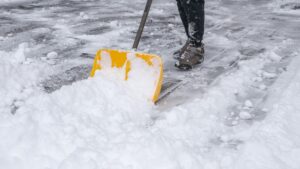
- Clear snow and grit paths at least 1 metre wide to main entrances
- Remove snow around outward-opening fire escape doors so they can open freely
- Check external lighting for safe access in darker conditions
Communication
- Agree a simple plan for volunteers or staff for bad weather days
- Keep emergency contacts (plumber, heating engineer) handy for urgent repairs
Driving tips
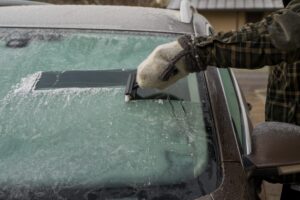
- Fully clear and de-ice your windscreen and remove loose snow from the roof and bonnet before setting off
- Drive slowly and gently—stopping distances are up to 10 times longer on snow and ice
Cold weather can be challenging, but a few simple checks can make a big difference in keeping your building safe and accessible. Thank you for taking the time to prepare—your efforts help ensure that your church remains a welcoming and secure space for everyone, whatever the weather.