Church Property Help
Sole trusteeship and ownership
Sole trusteeship and ownership
In some situations, churches and property trustees decide that a greater level of long-term support is needed for the future of a church building.
In these cases, Church Growth Trust may be asked to act as sole trustee or, in some circumstances, become the beneficial owner of the property (i.e. we are gifted it).
This is usually considered carefully over time and in discussion with the church and trustees involved.
Our aim is to always ensure church buildings remain in Gospel use for future generations.
Why churches consider this arrangement
Churches and property trustees explore sole trusteeship or ownership for many different reasons. These may include:
- Trustees retiring or becoming harder to replace
- Managing the building is becoming increasingly complex
- Long-term uncertainty about property responsibilities
- A desire to secure the future use of the building for Gospel ministry
- Reducing administrative and legal responsibility for local trustees
- Ensuring the building continues serving future generations
Every situation is different, and the right arrangement will depend on the church’s circumstances and the details of the property trust or trust deed.
Caring for your building and its future
Where Church Growth Trust acts as sole trustee or owner, we continue working alongside churches to help you care for the building.
This may include:
- Regular visits and guidance
- Arranging condition surveys when a property is taken on and at regular intervals thereafter
- Support and advice for building projects
- Guidance on legal and property matters
- Keeping important property documents stored safely and accessible when needed
- Help with future planning and ministry use
Where specialist legal or professional input is required, we will guide you to appropriate advisers who can support you.
Understanding what changes
Under sole trusteeship or ownership arrangements, Church Growth Trust takes on greater legal responsibility for the property. The exact arrangements will vary, but may include responsibility for:
- Holding legal and beneficial ownership of the property or or acting as sole managing trustee of the property
- Supporting long-term planning for the building
- Helping ensure the property continues to be used appropriately
- Reletting the building to an evangelical church if it later becomes vacant
Churches will usually continue to use the building for worship and ministry as agreed within the arrangement.
A helpful guide
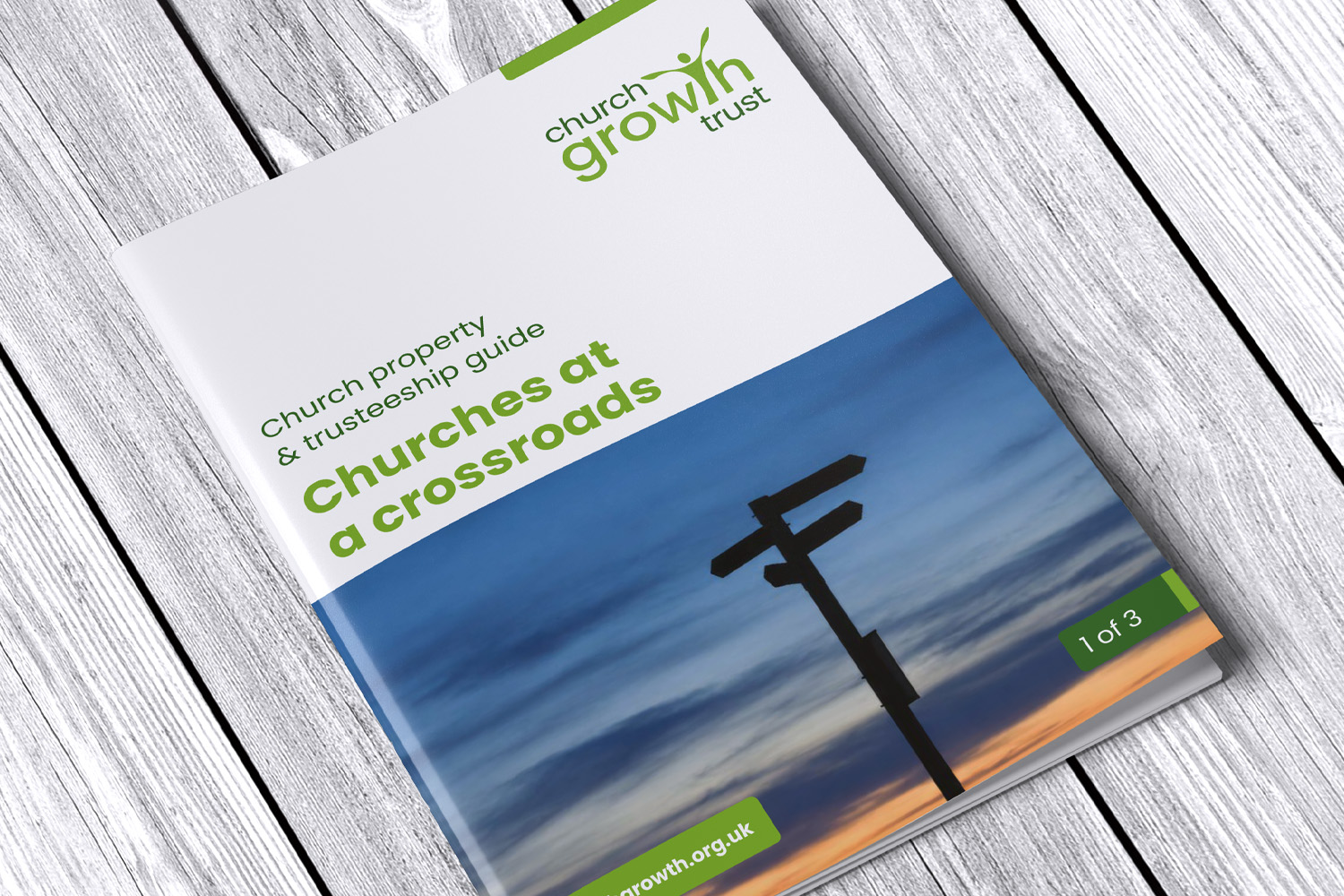
If you would like to understand sole trusteeship in more detail, our guide explains how these arrangements work in practice.
Explore your next step
If you would like to understand your situation in more detail, we would be glad to help. You can:
Talk through your situation with Church Growth Trust
Download our guide to explore the options in more detail
Sole trusteeship and ownership arrangements can help churches secure the long-term future of their building and its ongoing Gospel use.